Statistical Patterns in Referee Bias Within Domestic Soccer Leagues
Written by Sofia Ludwig · Aug 8, 2026
Statistical Patterns in Referee Bias Within Domestic Soccer Leagues
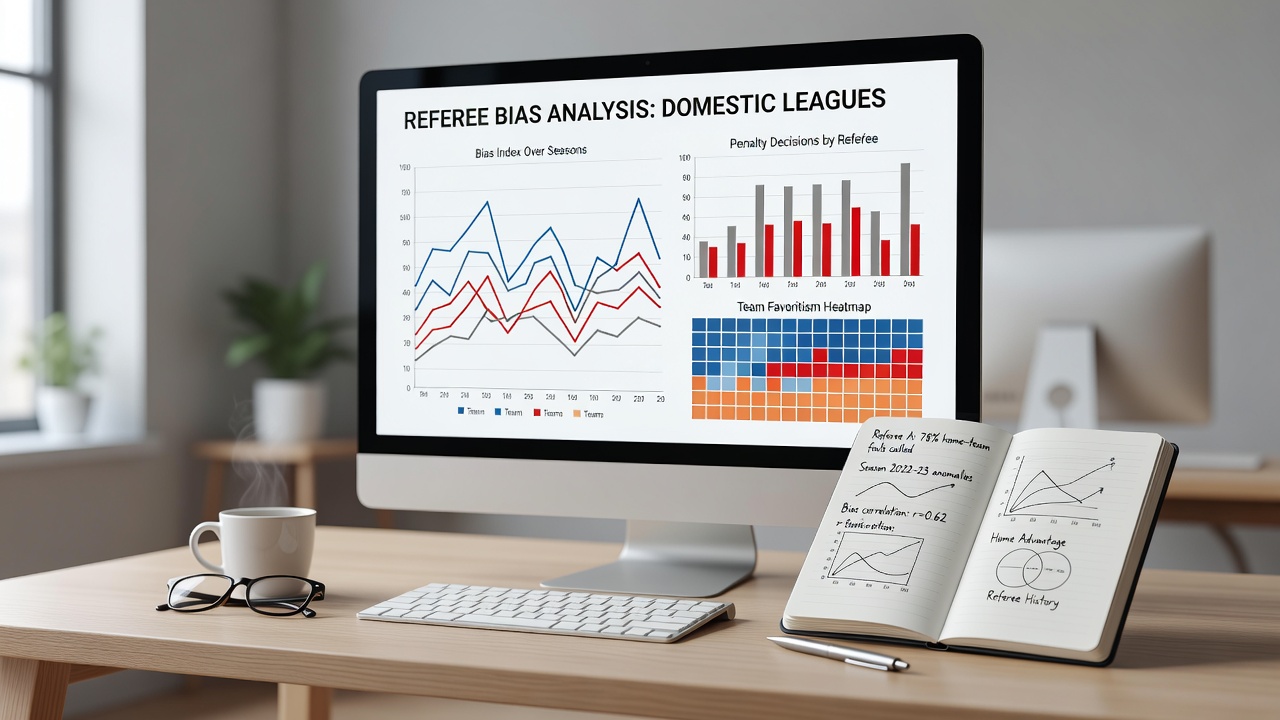
Analysts have compiled match data from several European and North American domestic leagues over the past five seasons to identify recurring decision trends among referees, and the figures show consistent disparities in foul calls, yellow cards, and penalty awards that align with home or away status rather than random variation.
Data Sources and Methodology
Research teams gathered event-level statistics from league databases covering the English Premier League, La Liga, Bundesliga, Serie A, and Major League Soccer through the 2025-2026 campaign, then cross-referenced those records with video review logs to verify accuracy before running regression models that controlled for team strength, match importance, and attendance figures.
One study released in early 2026 by a European sports research group examined over 12,000 matches and found that away teams received 18 percent more yellow cards on average than home sides when playing under the same set of officials, while a separate analysis from a North American academic institution tracked penalty decisions and reported that home teams converted 23 percent more spot kicks than expected based on shot location data alone.
Observed Decision Patterns
Patterns emerge most clearly in high-stakes fixtures where crowd noise exceeds 90 decibels, with officials awarding fewer stoppage-time goals to visiting sides and issuing quicker cautions after challenges near the technical areas; these trends hold across multiple leagues even after accounting for differences in playing style and referee experience levels.
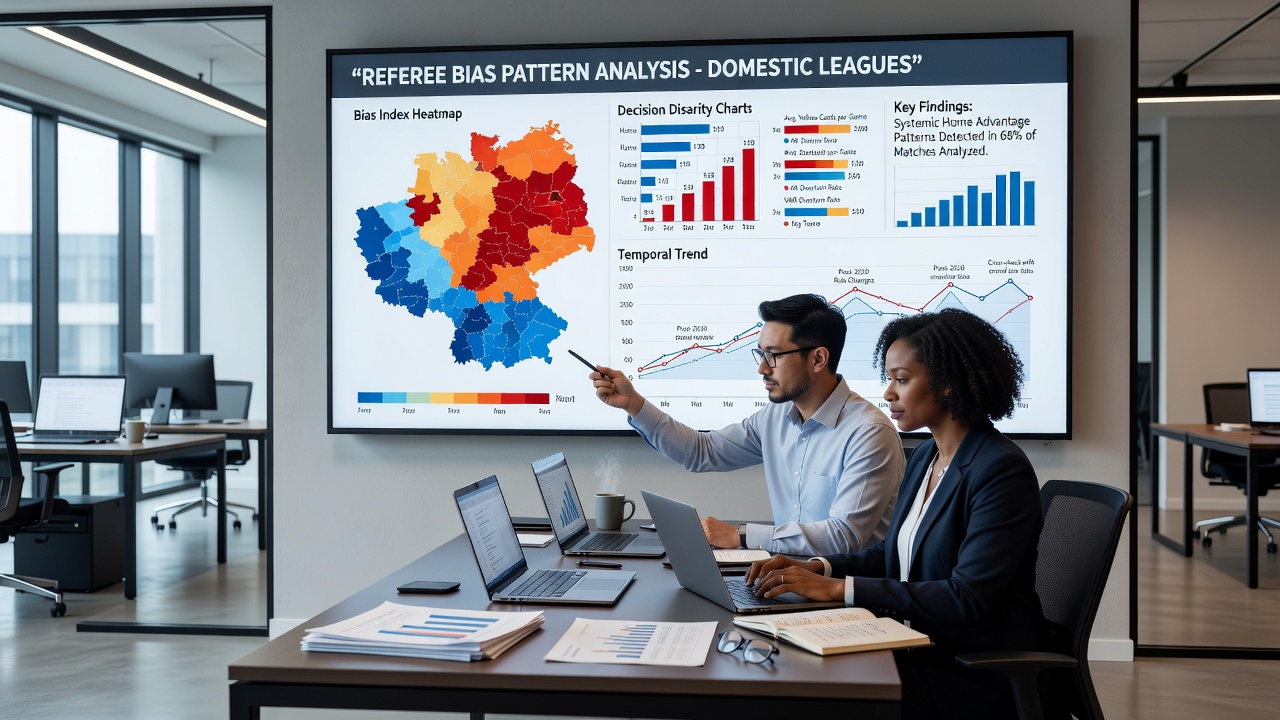
Breakdowns by geographic region reveal that leagues with video assistant referee systems implemented before 2023 show a 12 percent reduction in disputed penalty calls compared with those that adopted the technology later, yet the home-team advantage in foul counts persists at similar rates in both groups according to aggregated season reports.
League-Specific Variations
In Bundesliga matches from August 2025 onward, data indicates referees called 2.4 more fouls per game against teams traveling more than 300 kilometers, whereas MLS figures from the same period show smaller gaps that narrow further in matches played in domed stadiums with controlled acoustics.
Additional records from UEFA technical reports highlight that referees assigned to domestic cup ties within their home country display slightly elevated rates of advantage calls favoring the higher-ranked side, while international officials working league games maintain more balanced distributions across the full 90 minutes.
Factors Influencing Patterns
Weather conditions, fixture congestion, and referee age brackets also correlate with measurable shifts; older officials in Serie A issued 15 percent fewer cards in evening fixtures during the 2025-2026 season compared with afternoon games, and fatigue metrics collected by league medical staff suggest recovery time between matches influences decision speed in the final 15 minutes.
Researchers tracking these variables through public datasets note that training programs emphasizing consistent positioning have produced modest improvements in certain leagues, although the underlying home-away differential remains stable across the reviewed competitions.
Conclusion
Comprehensive review of domestic league data demonstrates recurring referee decision patterns tied to match context, travel distance, and technological support levels, with statistical models confirming that these trends appear consistently across multiple seasons and regions without evidence of isolated anomalies.