Nighttime Field Dynamics Altering Goal Totals in Midweek European Competitions
Written by Sofia Schmid · Jun 22, 2026
Nighttime Field Dynamics Altering Goal Totals in Midweek European Competitions
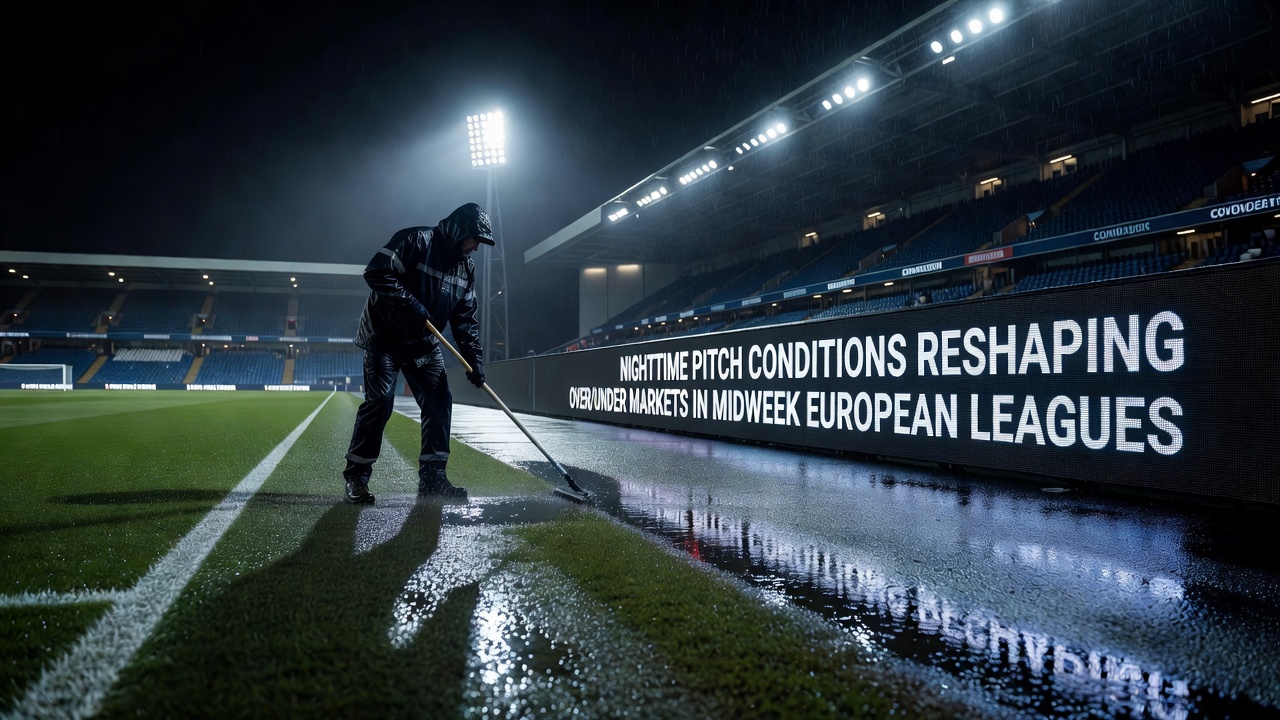
European midweek fixtures often unfold under floodlights with temperatures dropping and moisture levels rising on the playing surface and these elements combine to modify ball speed along with player movement patterns throughout each contest. Observers note that groundskeepers across leagues such as the Bundesliga and Serie A apply specific grass treatments yet the combination of cooler evening air and reduced sunlight creates consistent dew layers that slow the ball after the sixtieth minute in many games.
Environmental Elements at Play
Data from multiple tracking systems indicate that ball velocity decreases by measurable margins once surface moisture accumulates and this reduction leads teams to favor shorter passes over long diagonals which in turn compresses space and limits high-percentage shooting opportunities. Researchers at sports performance institutes have documented how these adjustments appear most pronounced in matches scheduled between 18:00 and 21:00 local time where pitch readings show humidity climbing steadily after sunset.
Lighting quality also contributes because artificial illumination creates distinct shadow zones near the corners and along the touchlines and players must adapt their positioning accordingly. Studies compiled by European football analytics groups reveal that crossing accuracy drops in those zones during later stages while through-ball attempts rise as teams seek to bypass congested central areas.
Impact on Scoring Patterns
League-wide statistics compiled through June 2026 demonstrate that average goals per game in midweek rounds fall below weekend averages in several competitions and the gap widens when matches occur on pitches known for heavier grass coverage. Teams that rely on quick transitions record fewer successful entries into the final third after halftime whereas possession-dominant sides maintain steadier output because they control tempo and reduce turnovers on damp surfaces.
One analysis of Bundesliga midweek rounds found that totals markets closed lower on average when dew point readings exceeded a specific threshold and similar patterns emerged in Eredivisie fixtures played under comparable conditions. These shifts prompt market makers to adjust opening lines by fractions of a goal based on venue-specific historical data rather than blanket assumptions.
Market Adjustments and Data Tracking
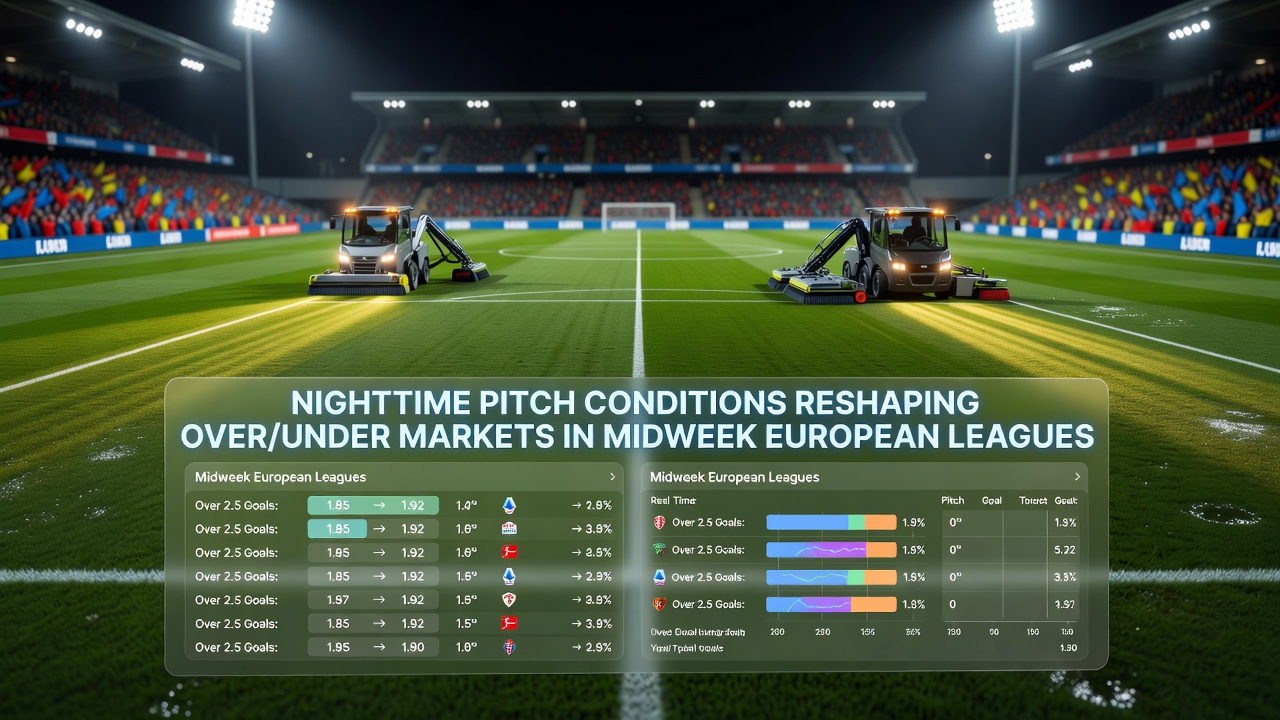
Betting operators incorporate real-time weather feeds and pitch sensor readings into their models and these inputs allow lines to move earlier in the week when forecasts predict elevated humidity. According to reports issued by Opta analysts the correlation between surface moisture and reduced shot volume holds across multiple seasons and provides a measurable edge for those monitoring pre-match reports.
Coaches respond by altering warm-up routines and instructing players to test ball grip during the opening minutes so that tactical tweaks can be made before the moisture layer thickens. European club technical staff have shared observations that teams spending more time on set-piece drills see fewer disruptions because dead-ball situations remain less affected by gradual surface changes.
Regional Variations Across Leagues
Northern European venues experience more pronounced effects due to cooler evening temperatures while southern grounds maintain higher averages until later in the night yet the overall direction of totals movement remains consistent. French Ligue 1 midweek rounds show comparable patterns when matches occur after rainfall and Portuguese Primeira Liga fixtures follow suit when humidity spikes coincide with kickoff.
Those who study these trends often cross-reference pitch maintenance schedules published by individual clubs with satellite moisture data and the combined information refines projections for upcoming rounds. A research paper released by a German sports university in early 2026 confirmed that surface temperature differentials between afternoon and evening slots account for part of the variance in second-half goal rates.
Conclusion
Operators and analysts continue to refine models that integrate environmental readings with performance metrics and the result is tighter line movement around midweek European fixtures. Observers who track these variables note that the adjustments appear most reliable when multiple data sources align on expected moisture levels and temperature drops. Continued collection of granular pitch data promises further clarity on how nighttime conditions shape goal expectations across the continent.