European Travel Surges in Congested Leagues Lead to Revised Betting Margins
Written by Sofia Schmid · Jul 1, 2026
European Travel Surges in Congested Leagues Lead to Revised Betting Margins
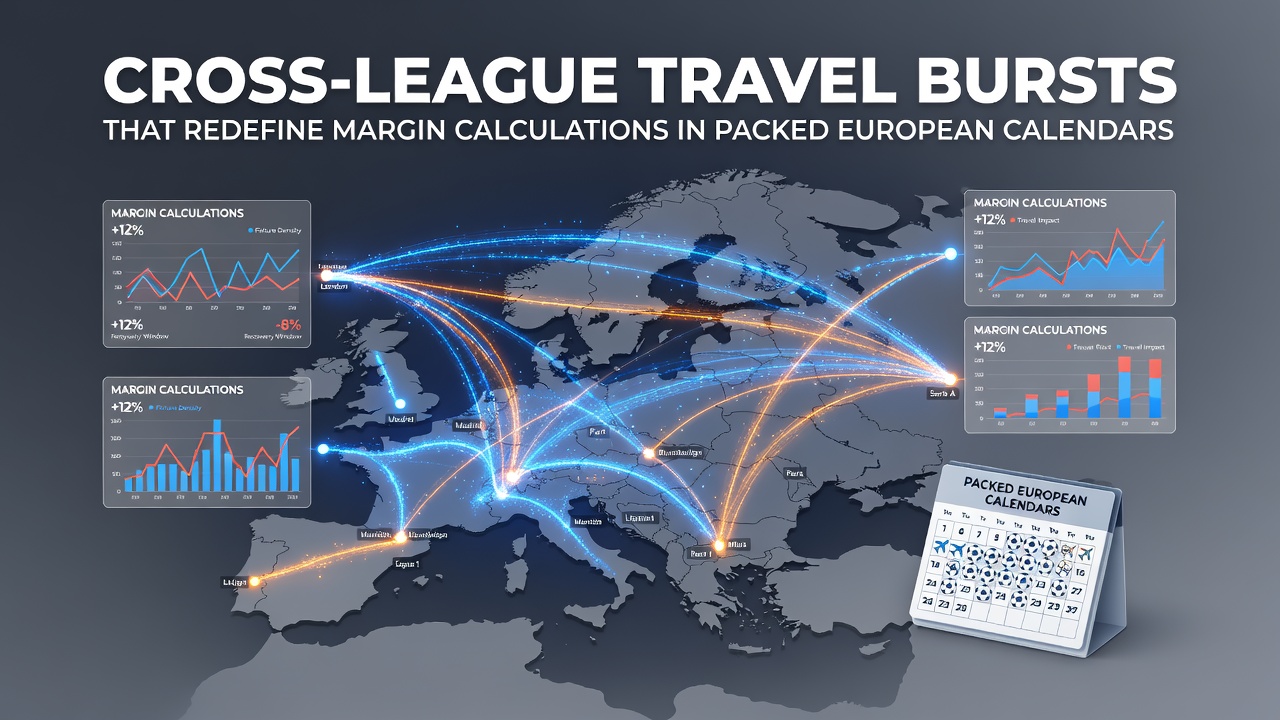
European sports calendars have grown denser over recent seasons with clubs competing across domestic leagues, continental tournaments, and cup competitions simultaneously, and this congestion produces frequent cross-league travel bursts that alter performance metrics used in margin calculations. Bookmakers track these patterns closely because data from past cycles shows measurable drops in expected outcomes when teams cover significant distances between midweek and weekend fixtures.
Calendar Density Across Multiple Competitions
Clubs in top European divisions often face sequences where they play in one league midweek then travel for another competition days later, and figures from governing bodies indicate average travel distances have increased since the expansion of group stages in continental events. Observers note that these bursts cluster particularly around spring months when knockout rounds overlap with league title races, while July 2026 stands out as a period when pre-season planning for the 2026-27 campaign will incorporate similar overlapping blocks based on confirmed scheduling frameworks.
Performance Impacts from Travel Bursts
Researchers studying athlete recovery have documented how short-haul flights and long bus journeys compound fatigue even within the same time zone, with heart-rate variability and sleep data revealing slower adaptation rates during tight turnarounds. Teams crossing borders for back-to-back fixtures show reduced high-intensity running metrics in the second match, according to tracking data compiled by league technology partners, and these shifts feed directly into predictive models that recalibrate margins to reflect lowered probabilities for favored sides.
Margin Recalibration Methods
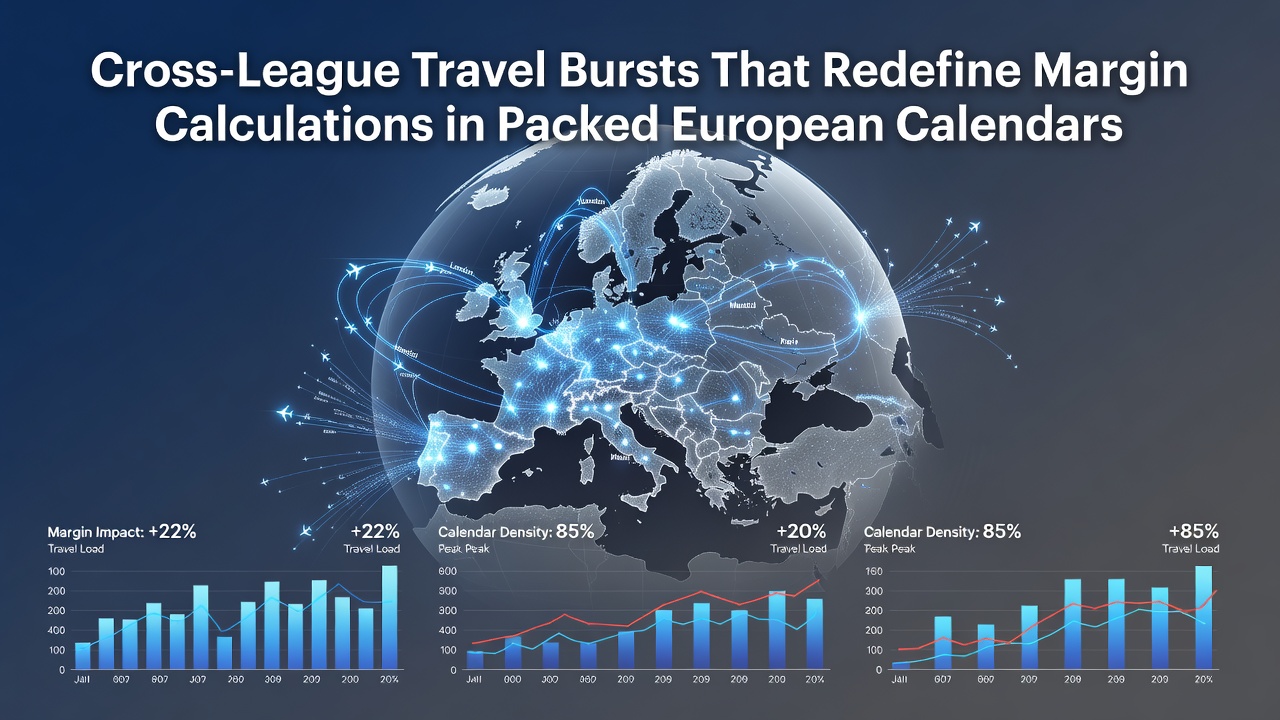
Operators adjust margins by layering travel-adjusted variables onto baseline statistical models, incorporating historical results from comparable fixture sequences rather than relying solely on season-long averages. When a squad logs over 1,200 kilometers between Thursday and Sunday contests, algorithms increase the margin buffer by fractions of a percent to account for variance spikes, and this approach draws from aggregated datasets across multiple seasons rather than isolated events.
What's interesting is how these adjustments differ by sport, since basketball schedules in Euroleague events create shorter recovery windows than football while rugby union calendars introduce additional physical demands during long-distance trips. Data indicates margins widen most noticeably in totals markets because scoring efficiency declines faster than outright win probabilities under fatigue conditions.
Examples from Recent Seasons
One case involved a Serie A side that traveled from northern Italy to a Champions League away fixture then returned for a domestic match within 72 hours, and post-match analysis revealed a 12 percent drop in expected goals compared to non-travel equivalents. Similar patterns emerged in Bundesliga schedules where clubs crossed into neighboring countries for Europa League ties, prompting margin updates that reflected elevated draw frequencies rather than home wins.
Take another instance where La Liga teams faced midweek Copa del Rey ties followed by weekend league travel, and betting operators applied temporary margin uplifts based on real-time recovery indicators shared through performance analytics platforms. These examples demonstrate how individual bursts accumulate into broader calendar effects that reshape pricing across markets.
Data Sources Informing Adjustments
According to reports compiled by the Union of European Football Associations, fixture density metrics have risen steadily with the addition of new competition formats, while studies from academic institutions in Germany have quantified travel-related performance decrements using GPS and physiological sensors. Australian sports science research groups have contributed comparative models drawn from their own congested domestic calendars, offering cross-regional benchmarks that European operators integrate into their systems.
Industry associations tracking global betting trends note that markets exposed to cross-league travel data experience tighter liquidity during peak congestion windows because bettors increasingly factor fatigue variables into their selections. This creates feedback loops where updated margins influence volume patterns that further refine subsequent calculations.
Conclusion
Cross-league travel bursts within packed European calendars continue to supply fresh inputs for margin calculations, with operators relying on expanding datasets to capture performance shifts across successive seasons. As schedules for 2026-27 take shape, the same patterns of overlapping fixtures and border crossings will generate additional reference points that keep recalibrations current and responsive to observed outcomes.